As promised in my previous post about bathrooms – Bathroom Materials
Design out the tile problem
Most tiling issues are design issues, not installation issues. If the setting out is resolved properly in drawings, the execution on site becomes straightforward.
Tiles look best when service penetrations (taps, outlets, etc.) align centrally within tiles or along grout joints. This means tile selection must be part of the design process early on—services are installed first, so the tile layout needs to work with them, not against them. Upon execution, the tiler should follow this layout to maintain the design intent. That said, good outcomes come from collaboration. An experienced tiler can spot potential issues and suggest improvements before installation. The key is communication—changes should be discussed, not improvised on site.
Tile layout and alignment
Consistency is key. Where wall tiles meet floor tiles, grout lines should either align deliberately or clearly not align at all. Near alignment just looks like a mistake. Try to avoid visible cuts wherever possible. Seeing the edge or thickness of a tile often weakens the overall finish. Similarly, external tiled corners tend to look awkward and usually require protective metal trims, they often detract from the visual quality—so it’s better to design them out where possible. When working with ceilings, stopping at a full tile just below the ceiling often gives better proportions. Cutting a thin strip at the top can make the ceiling feel lower and slightly awkward. If a floor needs to slope for drainage, it’s best to align that slope with the direction of the tiles. If the slope runs against the tile layout, it often results in awkward diagonal cuts and a less resolved finish.
Tile choice
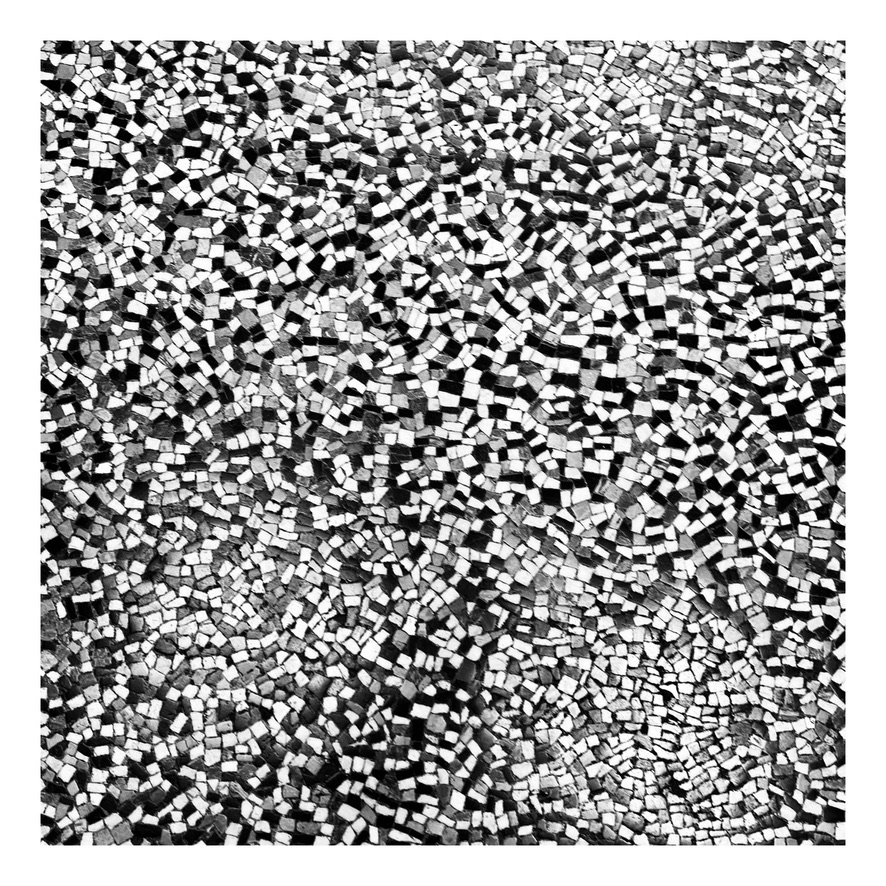
Material selection has a big impact on both performance and maintenance. Mosaic tiles, particularly in showers, should be used carefully. While they can be useful in certain situations, they introduce a lot of grout, which increases cleaning and long-term maintenance. In high-traffic areas, poor installation can also lead to tiles loosening over time and falling off. Handmade tiles, such as zellige, can be beautiful but come with trade-offs. Their irregular surfaces and edges can make them harder to clean and more prone to chipping. They need to be chosen with both aesthetics and durability in mind. Always order extra tiles—typically 10–15%. This prevents delays or compromises if tiles are damaged or run short. Ideally, ensure unused tiles can be returned to avoid unnecessary waste. Finally, slip resistance is critical for floor tiles in wet areas. A minimum of R11 is generally recommended for bathrooms. This is often overlooked but has real safety implications.
Natural materials
Natural stone requires careful selection. Some types are too porous for bathrooms and can stain, absorb water, or deteriorate over time. Always ensure the material is suitable and properly sealed. Materials with strong grain or pattern—like marble or timber—should be laid out deliberately. Without a clear plan, they can quickly look random rather than refined.
Glass and Mirrors – the double-edged sword
Mirrors can make small bathrooms feel much larger, but they also reflect everything—including clutter.
Large mirrors down to the basin can double the visual mess of everyday items and highlight areas that are hard to keep clean. Consider what the mirror will reflect, not just its size. Mirrored cabinets should have proper handles or touch points to avoid constant fingerprints on the glass. Demister pads are a worthwhile addition—they keep mirrors clear after showers and improve usability.
Glass shower screens are often necessary, especially in smaller bathrooms, but they require regular cleaning. Glass quickly shows watermarks and soap residue, so maintenance should be considered as part of the design decision.
Mastic
Use mastic sparingly, if at all. It is the devil’s work. Poorly applied mastic can kill the aesthetic. If it’s necessary, it should match the grout colour and be applied carefully, so that it is not noticeable at all.
Final thought
Good tiling isn’t about the tile itself—it’s about the decisions made before the first tile is laid. Careful planning, clear drawings, and coordination between design and installation are what create a clean, durable, and well-resolved result.le layout needs to work with them, not against them. Upon execution, the tiler should follow this layout to maintain the design intent. That said, good outcomes come from collaboration. An experienced tiler can spot potential issues and suggest improvements before installation. The key is communication—changes should be discussed, not improvised on site.